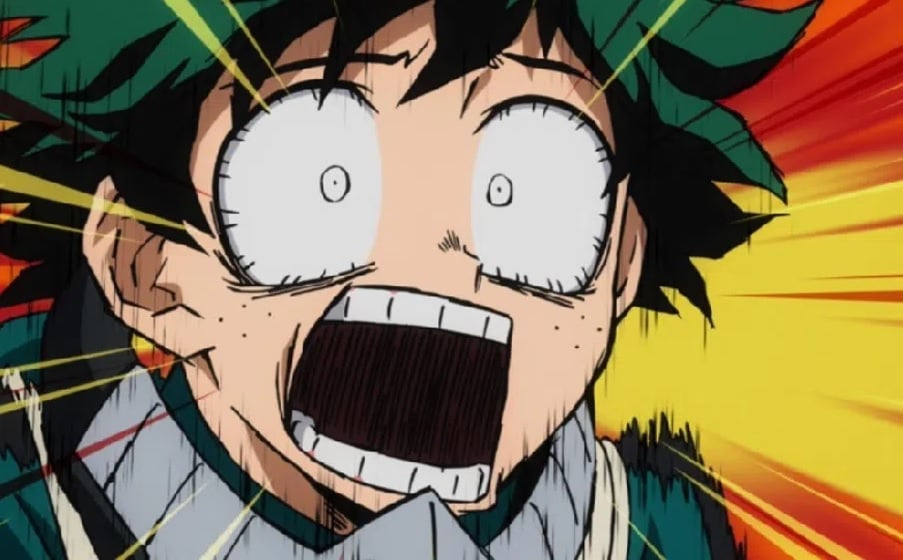
When a beloved My Hero Academia voice actor and rising Twitch streamer admitted to cheating on his long-term girlfriend, fans braced for accountability. What followed was not contrition, but a tone-deaf apology that amplified the backlash. The incident didn’t just expose personal betrayal—it highlighted how public figures often misread audience expectations when navigating personal scandals. This isn’t just about infidelity. It’s about how not to apologize in the spotlight.
The fallout didn’t unfold behind closed doors. It played out in real time across YouTube, Twitter, and Discord communities, where fans dissected every word, pause, and facial expression. What could have been a moment of humility became a case study in damaged reputations and failed damage control.
The Rise of the Dual-Career Voice Actor
Anime voice actors no longer operate solely in recording booths. Many, like this one, have built parallel careers on streaming platforms. With thousands of followers tuned in for gameplay, behind-the-scenes insights, and personality-driven content, the line between performer and public figure has blurred.
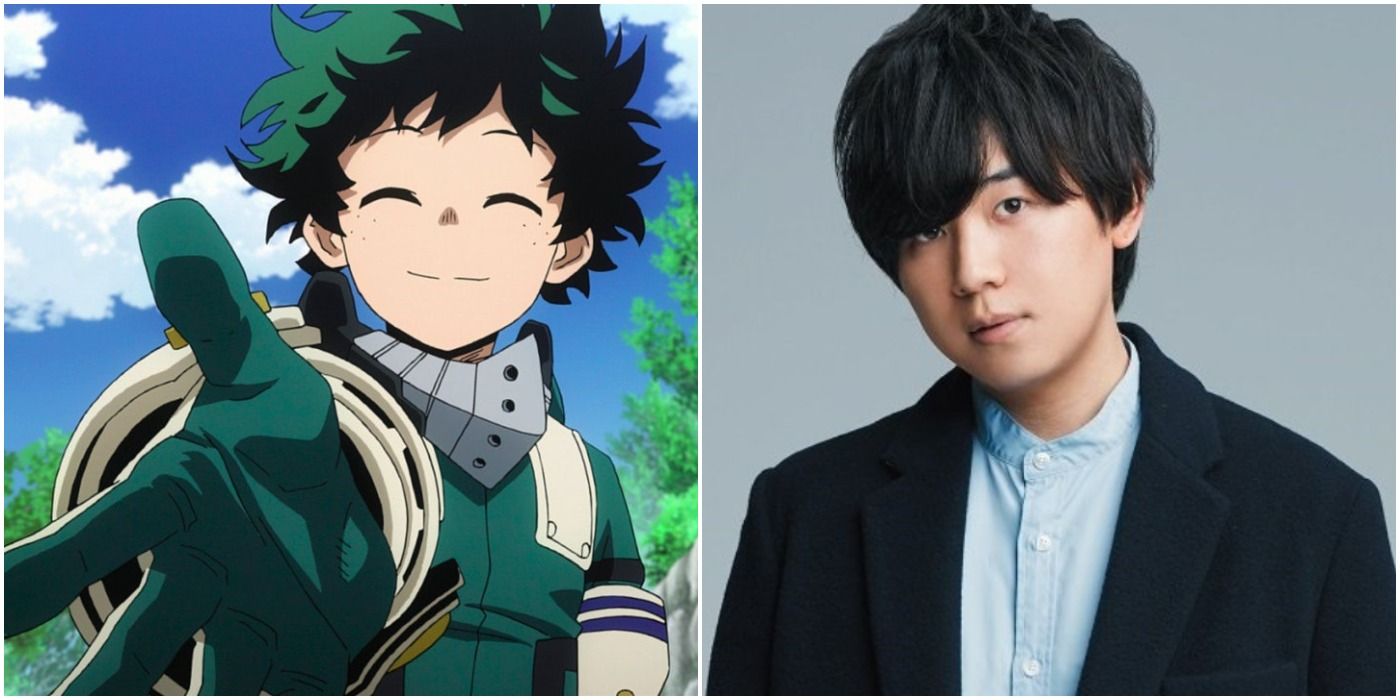
This particular actor voiced a supporting but fan-favorite character in My Hero Academia—not Deku or Bakugo, but someone with enough screen time to earn a dedicated fanbase. His streams often touched on voice acting, anime culture, and personal stories, fostering a sense of intimacy with his audience. That intimacy is what made the revelations so jarring.
When fans discovered he’d been unfaithful during a long-term relationship—through a now-deleted tweet from his ex—he couldn’t ignore the pressure to respond. Silence would be complicity. But his chosen method of response? A nine-minute YouTube video titled “Some Things I Need to Say.”
The Apology That Made Everything Worse
The video began with soft lighting, a neutral backdrop, and a visibly nervous delivery. Within the first minute, he admitted to the affair. But instead of leading with accountability, he framed the betrayal as a consequence of burnout, stress, and the isolating nature of remote work.
“I wasn’t in a good place mentally,” he said. “The boundaries between my personal life and my online persona started to blur. I made a decision I regret, and I hurt someone I love.”
So far, not terrible. But then came the pivot.
He went on to describe how the relationship had been “strained” for months, implying mutual disconnection. He mentioned late-night streams, time zone differences, and emotional distance—factors that, while real, shifted focus from his actions to his circumstances. Worse, he never named the person he hurt, nor did he quote anything she’d shared about her pain.
By the 5:30 mark, he was talking about his “growth” and how he planned to “use this as a lesson.” That’s when fans started calling it out: this wasn’t an apology to his ex. It was a brand preservation maneuver.
Why Fans Rejected the Apology
Public apologies walk a tightrope. They must balance honesty, vulnerability, and accountability without veering into excuse-making. This one failed on three key counts:

- Lack of Direct Address
- He never looked into the camera and said, “I’m sorry to [her name].” Naming the person you’ve harmed is critical. Omitting it makes the apology feel performative.
- Overemphasis on Personal Struggle
- While mental health matters, leading with burnout frames infidelity as a symptom rather than a choice. Cheating is a decision, not a side effect of stress.
- No Tangible Reparation
- He didn’t announce therapy, a break from streaming, or any concrete step to rebuild trust. Instead, he ended with, “I’ll keep creating content for you,” turning the video into a subtle plea for continued support.
Reddit threads exploded. One user wrote: “He’s not sorry he cheated. He’s sorry he got caught.” Others pointed out that he continued streaming just two days later, as if life had returned to normal.
The Double Standard in Anime and Streaming Culture
This isn’t the first time a voice actor’s personal life has clashed with their public image. In 2021, a Demon Slayer VA faced backlash for sexist remarks. In 2023, a Jujutsu Kaisen voice actor was accused of doxxing fans. But this case is different because it involves personal betrayal, not professional misconduct.
Anime fans often project emotional safety onto voice actors. They associate gentle voices with gentle people. When a kind vocal tone masks questionable behavior, the dissonance is jarring. And in the streaming world, where authenticity is currency, perceived dishonesty cuts deep.
Worse, the community has seen this script before. Time and again, male streamers apologize for relationship missteps, then return to business as usual. Female creators, in contrast, face longer bans, harsher criticism, and permanent skepticism when they make similar mistakes. The uneven response only fuels frustration.
Damage Control That Missed the Mark
The actor’s management team issued a brief statement: “We support his journey toward personal accountability and encourage space for healing.” Vague, corporate, and useless.
He also disabled comments on the apology video—possibly to avoid harassment, but effectively silencing feedback. That decision backfired. Fans migrated to TikTok, where side-by-side comparisons of his past “relationship goals” clips and the apology video racked up millions of views.
One popular edit showed him saying in a 2023 livestream: “I’d never cheat. Loyalty is everything.” Cut to the apology: “I wasn’t in a good headspace.” The irony was brutal.
What a Real Apology Would Have Looked Like
Contrast this with Laura Bailey’s response to the 2022 union strike controversy. She acknowledged mistakes, listened to criticism, stepped back from certain projects, and returned only after demonstrating change. No excuses. No deflection.
A stronger apology from the My Hero Academia actor might have included:
- A private message to his ex before going public
- Naming her and acknowledging her pain specifically
- Taking a 30- to 60-day break from content creation
- Committing to couples or individual therapy (even if the relationship ended)
- Donating to a relationship counseling nonprofit or abuse support line
Instead, he treated the situation like a PR glitch—not a human failure.
The Ripple Effect on His Career
So far, no official casting changes have been announced for the next season of My Hero Academia. Voice acting contracts are often long-term and legally binding, so outright removal is rare unless the misconduct is criminal.
But soft consequences are mounting:
- Merchandise bundles featuring his likeness have been quietly removed from a major anime retailer’s site
- Fan art of his character has dropped by 40% on Pixiv in the past month
- A popular My Hero Academia trivia streamer refused to say his character’s name during a recent quiz, referring to him as “Voice Actor X”
More importantly, trust is eroded. Viewers now question every heartfelt monologue he’s recorded. Was that emotional scene in Season 6 genuine—or just good acting?
Lessons for Creators in the Age of Oversharing
This scandal underscores a harsh truth: the more personal you get with your audience, the higher the stakes when you fall short. Streaming thrives on authenticity, but authenticity requires consistency—not just performance.
For aspiring voice actors and streamers, here’s what to take away:
- Your private life will be public eventually. Assume any relationship you discuss can become part of your narrative.
- Apologies are actions, not videos. Saying sorry matters less than changing behavior.
- Silence isn’t always worse than a bad apology. Sometimes, stepping away speaks louder.
- Support systems matter. If you’re struggling, talk to a therapist—not just your audience.
Fans don’t demand perfection. They demand honesty. When a creator fails that, no amount of “I’m working on myself” can patch the crack.
The Road Ahead—Can He Recover?
Recovery is possible, but it’s slow. It requires consistent, low-key effort over months or years. He could rebuild by:
- Volunteering with youth mental health organizations
- Creating content about emotional accountability, not just anime
- Letting his work speak for itself without self-promotion
But the window for redemption is narrowing. In internet culture, attention spans are short—but grudges are long.
The real test isn’t whether fans forget. It’s whether he stops treating his life like content and starts living it like a person.
FAQ
Why did the voice actor’s apology fail? It centered his struggles over his ex’s pain, lacked direct accountability, and showed no real behavioral change.
Is he still voicing in My Hero Academia? As of now, yes. There’s been no official announcement of recasting.
Did his girlfriend respond publicly? She posted a brief statement on Twitter saying she wanted privacy, then deactivated her account.
Are fans boycotting his content? Many have unfollowed him, and viewer counts on his streams have dropped by nearly 60%.
Could this affect other voice actors? It adds pressure for VAs to separate personal and public personas, especially in the streaming era.
What should he have done instead? Issued a concise, direct apology, taken a break, and demonstrated change through actions—not words.
Is cheating a fireable offense in voice acting? Not typically, unless it violates contract terms or involves harassment. Most consequences are fan-driven.
What mistakes should you avoid? Avoid generic choices, weak validation, and decisions based only on marketing claims.
What is the next best step? Shortlist the most relevant options, validate them quickly, and refine from real-world results.