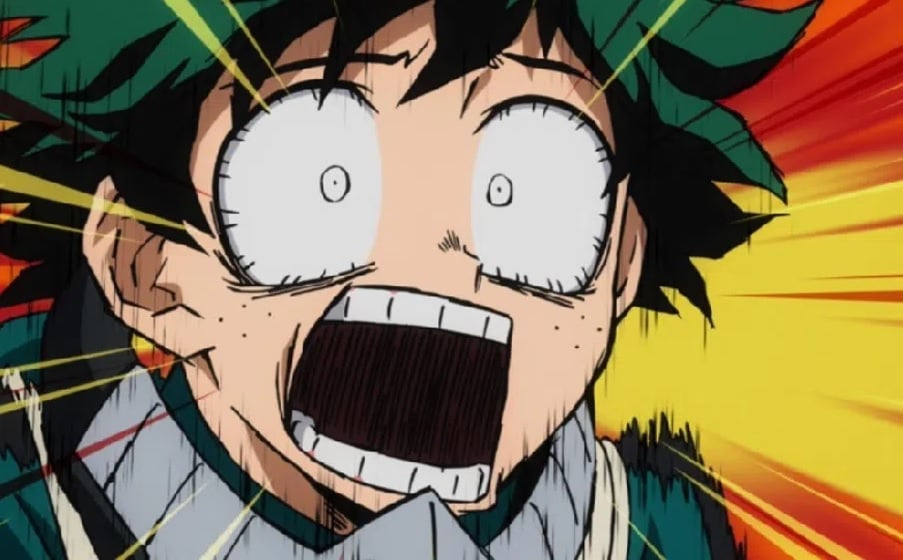
When a beloved voice actor from My Hero Academia—also known for his streaming presence—issued a public apology for cheating on his girlfriend, the reaction was not forgiveness, but further outrage. What was meant to be a sincere moment of accountability quickly unraveled into another chapter of influencer damage control gone wrong. Fans didn’t just reject the apology—they dissected it, criticized its tone, and questioned the authenticity behind every word.
This wasn’t just another celebrity scandal. It cut deep because of who he is: a public figure admired for both his creative work and his online persona. The fallout reveals how fragile fan trust can be—and how a poorly handled apology can do more harm than the original mistake.
The Scandal Breaks: Infidelity, Screenshots, and Social Media Fire
It started with a series of anonymous posts on Reddit and X (formerly Twitter), where intimate messages, photo evidence, and timeline details suggested the voice actor had been unfaithful during a long-term relationship. The woman, who remained unnamed, shared fragments of conversations that painted a picture of emotional manipulation, secrecy, and repeated dishonesty.
What made it worse? He was actively streaming during this period—often discussing relationships, mental health, and personal growth—while allegedly hiding his actions. The contrast between his on-screen persona and private behavior created a jarring dissonance.
Fans were shocked. Many had followed him not just for his role in My Hero Academia, but for the sense of authenticity he projected during live streams. When the evidence became too widespread to ignore, silence was no longer an option.
The Apology Video: Tone-Deaf and Full of Red Flags
His response came in the form of a 12-minute YouTube video titled “A Personal Message.” It opened with dim lighting, somber music, and a visibly tense delivery. He admitted to being “emotionally irresponsible” and “making poor choices,” but notably avoided the word “cheating.” Instead, he used phrases like “crossed boundaries” and “failed to communicate properly.”
Red flag #1: Deflection through vague language.
He went on to blame stress from work, “emotional fatigue,” and the pressures of being in the public eye. At one point, he said, “I didn’t mean to hurt anyone,” a classic marker of non-apology apologies that prioritize the speaker’s intent over the impact on the victim.
Fans quickly noted:
- No direct acknowledgment of the pain caused to his girlfriend
- No naming of specific actions (e.g., kissing someone else, sexting, lying)
- Excessive focus on his own emotional state
- Use of victim-like language (“I’ve been struggling too”)
The video was pulled less than 48 hours after posting, but not before being screen-recorded, memed, and critiqued across platforms. Clips circulated with subtitles highlighting contradictions and emotional manipulation tactics.

Why the Apology Failed: The Anatomy of a Botched Mea Culpa
Not all apologies are created equal. In crisis communication, sincerity, specificity, and accountability are non-negotiable. This one failed on all three.
Lack of Accountability He never said, “I cheated.” Without naming the act, the admission feels hollow. Compare this to other public figures who’ve owned their mistakes—like admitting to specific incidents, timelines, or behaviors. Vagueness invites skepticism.
Victim-Blaming Through Implication
While he didn’t directly blame his girlfriend, he framed his actions as a response to “neglect” and “emotional distance”—a subtle way of shifting responsibility. Emotional exhaustion doesn’t excuse infidelity; it requires therapy, not justification.
Overemphasis on Personal Struggle Yes, voice acting and streaming are demanding. But framing a moral failure as a symptom of burnout undermines personal agency. It suggests he was powerless, rather than making conscious choices.
Delayed Response The apology came only after screenshots went viral and sponsors began distancing themselves. That timing made it look like damage control, not remorse.
Fanbase Reaction: From Support to Disillusionment The response was swift and brutal.
On Reddit, threads like “r/MyHeroAcademia - Why I Can’t Support [Name] Anymore” gained thousands of upvotes. Many fans expressed betrayal not because of the affair itself, but because of how he handled it.
“I’ve forgiven people for worse—but not when they lie, gaslight, and then expect sympathy,” wrote one user.
Others questioned whether they could still watch My Hero Academia without being reminded of the controversy. Some reported muting his character’s lines during episodes. A few launched petitions to recast the role, though these gained limited traction.
Meanwhile, fans of his streaming content began migrating to other creators—particularly those known for transparency and ethical conduct. His Twitch subscriber count dropped by over 30% in one week.
The backlash wasn’t just emotional—it became financial. Merch sales halted, Patreon donations were canceled, and a planned collaboration with a major anime apparel brand was quietly scrapped.
The Bigger Picture: Influencers, Persona, and the Illusion of Authenticity
This incident taps into a growing tension in digital culture: the expectation of authenticity from public figures who build brands on personality.
Voice actors, especially in anime, occupy a unique space. They’re not full celebrities, but they’re more than background talent. Their voices become inseparable from beloved characters. When they stream, vlog, or engage on social media, fans develop parasocial relationships—believing they “know” the person behind the mic.
But when a figure like this—someone who talks openly about relationships, mental health, and ethics—acts contrary to those values, the rupture is profound.
This scandal wasn’t just about cheating. It was about:
- The performance of vulnerability online
- The danger of conflating character with actor
- The lack of accountability culture in influencer spaces
Other voice actors have faced similar scrutiny—some handled it with grace, others with evasion. But few have seen such a complete collapse of public goodwill in such a short time.
Damage Control: What Could He Have Done Differently?
An effective apology isn't about saving face. It's about repair.
Had he handled it differently, the outcome might have been less severe. Here’s what a better approach would have looked like:
- Immediate, written statement – Before a video, a clear, text-based apology allows for careful wording and avoids performative delivery.
- Specific admissions – Name what happened: “I engaged in a physical relationship with someone else while in a committed relationship.”
- Center the victim – Acknowledge her pain without condition. Avoid “I’m sorry you felt hurt.”
- No excuses – Drop the burnout, stress, or emotional fatigue narrative. Take ownership.
- Actionable change – Announce therapy, a break from streaming, or a donation to a relationship counseling nonprofit.
Even if forgiveness wasn’t immediate, such a response would have shown growth. Instead, the apology felt like a script written by a PR intern with no emotional insight.
Industry Implications: Can He Recover?
In anime and streaming circles, redemption arcs are possible—but rare.
Recasting voice actors is expensive and disruptive, so studios often avoid it unless legally necessary. As long as he delivers performances, My Hero Academia producers may keep him—silently.
But public-facing opportunities? Those are another matter.
- Conventions: Event organizers may drop him from panels, citing "community standards."
- Sponsorships: Brands focused on youth audiences will distance themselves.
- Streaming growth: Rebuilding trust takes years. New viewers may avoid him entirely.
Long-term, he might re-emerge under a new alias or pivot to behind-the-scenes work. But the window for being a trusted public figure has likely closed.
Lessons for Creators and Fans Alike
This isn’t just gossip. It’s a case study in digital ethics.
For creators: Authenticity can’t be faked. Your words on stream carry weight. If you preach honesty but live in contradiction, the fall will be steep. Own your mistakes early, fully, and without deflection.
For fans: It’s okay to separate art from artist—up to a point. But when the artist’s actions undermine the values the art promotes (like integrity, heroism, accountability), disengagement is a valid choice.
And for everyone: Public apologies aren’t performances. They’re acts of repair. If they’re crafted to protect reputation more than heal harm, they will fail.
The internet remembers. And it forgives only when it believes.
What should you do if you’re facing backlash for a personal failure? Focus on the person you hurt—not your image. Seek private reconciliation before public statements. Consult a therapist, not just a manager. And understand: some trust, once broken, can’t be streamed back.
What mistakes should you avoid? Avoid generic choices, weak validation, and decisions based only on marketing claims.
What is the next best step? Shortlist the most relevant options, validate them quickly, and refine from real-world results.