The prosperity gospel has long divided Christian communities across Africa. While some leaders embrace it as divine favor manifesting in material blessings, others denounce it as a distortion of scripture. When former Nigerian Vice President Yemi Osinbajo voiced his cautious support for certain aspects of prosperity teaching, gospel singer Jaga didn’t stay silent. Instead, he launched a pointed rebuttal—part theological critique, part prophetic testimony—that has resonated deeply within Nigeria’s faith circles. This isn’t just celebrity disagreement; it’s a collision of ideology, authority, and personal conviction.
Jaga, known for hits like *Olorun Maje" and "Okanran," isn’t your typical megachurch performer. His music often carries a raw, unfiltered urgency—a reflection of a man shaped by hardship and revival. When he speaks, it’s not from a pulpit of privilege but from years of ministry in underserved communities. So when he stood against Osinbajo’s nuanced endorsement of prosperity theology, people listened.
The Spark: Osinbajo’s Position on Prosperity
Yemi Osinbajo, a senior pastor and legal scholar, has never fully endorsed the fire-and-brimstone “name it, claim it” version of prosperity preaching. Instead, his stance leans toward what some call “responsible prosperity”—the idea that God rewards diligence, integrity, and faith with financial stability and influence. In various sermons and interviews, he's argued that wealth isn't inherently unspiritual and that Christians should not shy from economic empowerment.
During a public address at a national prayer breakfast, Osinbajo said: > “God is not against wealth. The issue is not wealth—it’s the love of money. There’s a difference between prosperity theology and biblical stewardship.”
For many, this was a balanced take. But Jaga saw a dangerous loophole.
Jaga’s Testimony: Why He Rejects the Prosperity Narrative
In a now-viral audio message shared across WhatsApp and Instagram, Jaga responded directly: > “Pastor Osinbajo, with all due respect, you’re opening the door for deception. The prosperity gospel isn't a little error—it’s a wolf in sheep’s clothing.”
Jaga didn’t just critique; he laid bare his own journey. He recalled the death of his father, years of poverty, and a near-fatal illness that left him bedridden for months. > “I prayed. I fasted. I didn’t get a car or a mansion. I got healing. I got peace. That was my prosperity.”
For Jaga, true spiritual prosperity isn’t measured in bank statements but in answered prayer, deliverance, and divine encounters. He argues that linking financial success to faith level creates a toxic theology where the poor are labeled “unbelieving” and the rich are presumed righteous.
His most cutting point? > “When we preach that God wants everyone rich, we make Him a liar to the widow feeding her children with one cup of rice.”
The Theological Divide: Two Visions of Faith
At the heart of this clash is a deeper question: What does it mean to live a blessed life?
Osinbajo’s view aligns with a modern, urban Christian identity—one that sees entrepreneurship, political power, and economic growth as spiritual callings. In this framework, a pastor can also be a CEO, and tithing can be an investment in divine ROI.
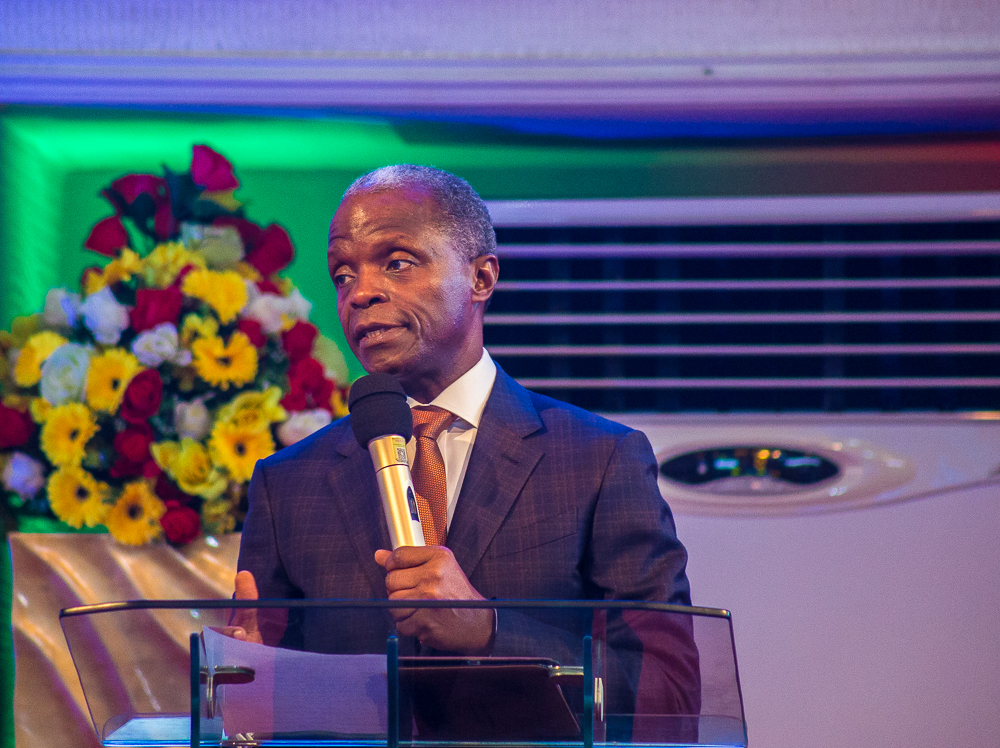
Jaga represents a counter-tradition—one rooted in the African church’s historical emphasis on suffering, endurance, and supernatural intervention. For him, the gospel’s power isn’t in wealth accumulation but in transformation: - Deliverance from addiction - Restoration of broken families - Miracles in times of famine or illness
He warns that when prosperity becomes the goal, the gospel becomes transactional. “It turns prayer into a bargaining tool and faith into a formula,” he says.
Real-World Impact: How
This Debate Affects Believers
This isn’t academic theology—it shapes behavior.
In Lagos megachurches, it’s common to hear preachers demand “seed faith” offerings with promises of tenfold returns. Some congregants sell land, take loans, or skip meals to “sow seeds,” believing it’s the only path to breakthrough.
Jaga cited a young woman from Ibadan who gave her last ₦20,000 to a televised crusade, expecting a business contract that never came. > “She lost her apartment. Her husband left. And the preacher? He bought a new jet.”
Osinbajo’s moderate tone may discourage such extremes, but Jaga believes any validation of prosperity teaching—no matter how cautious—gives cover to exploitation.
Meanwhile, many pastors fear speaking out. One pastor in Port Harcourt, who asked to remain anonymous, said: > “If you reject prosperity preaching, you’re labeled ‘anti-blessing.’ You lose members, funding, invitations. It’s spiritual blackmail.”
Why Jaga’s Voice Matters Now
Jaga isn’t a theologian with a doctorate. He doesn’t lead a 50,000-member church. But his credibility comes from consistency. - He lives modestly despite his fame - He ministers in prisons and slums - He refuses endorsement deals from “gospel” entrepreneurs
His rejection of Osinbajo’s view isn’t personal—it’s pastoral. “I’m not attacking a man,” he said. “I’m protecting the flock.”
In an era where megachurches resemble corporate brands and worship albums are marketed like fashion lines, Jaga’s raw, unpolished testimony cuts through the noise. He reminds believers that suffering isn’t a sign of failure—and that God’s presence can’t be measured in pixels or property deeds.
The Bigger Picture: Prosperity Gospel in African Christianity
The prosperity gospel didn’t originate in Africa, but it found fertile ground here. Post-colonial instability, widespread poverty, and a deep cultural belief in spiritual causality created a perfect environment for its growth.
Televangelists like TB Joshua, Enoch Adeboye, and Chris Oyakhilome have shaped a generation that sees miracles as immediate and material. But critics argue this shifts focus from discipleship to demand-based faith.
Jaga’s pushback is part of a growing movement. Other voices—like Pastor Matthew Ashimolowo of Kingsway International Christian Centre—have also warned against excess. Yet few have done so with the emotional weight of personal testimony.
What makes Jaga’s stance potent is that he doesn’t just say “prosperity gospel is wrong.” He shows an alternative: a life marked by worship, service, and trust—even in lack.
Navigating Faith Without Falling for Formula
So where does this leave the average believer?
It’s not about rejecting wealth outright. The Bible speaks of Abraham’s riches, Solomon’s wealth, and Lydia’s successful business. The problem arises when wealth becomes the benchmark of divine favor.
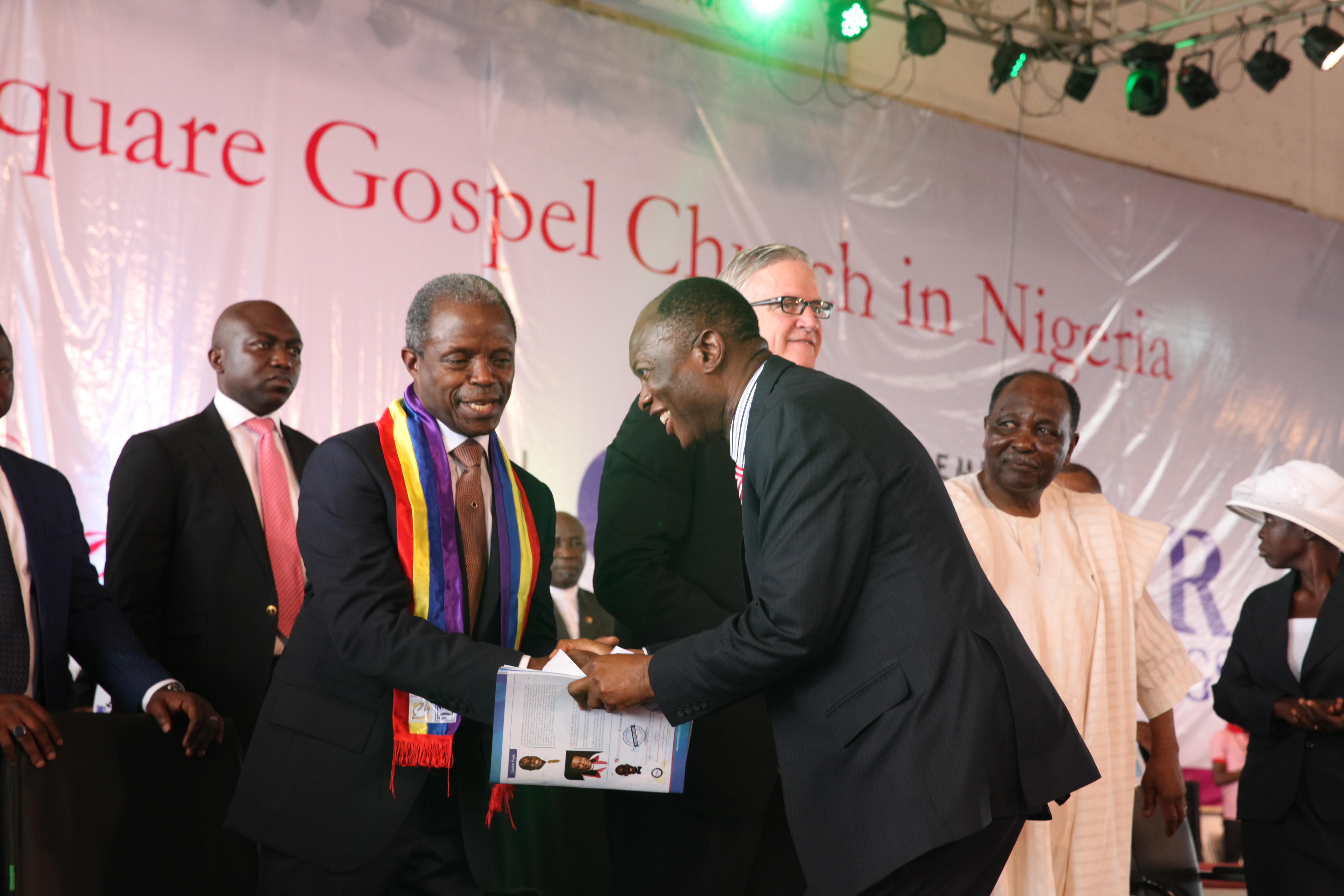
Jaga offers three principles for discernment:
- Test the Message by Scripture, Not Results
- Just because someone is rich doesn’t mean God endorsed their theology. Satan can bless for deceptive purposes (Job 1:10).
- Beware of Prophets Who Always Promise Increase
- True prophets warn of suffering (Jeremiah), not just success. If every word is about breakthrough, question the source.
- Measure Ministry by Lives Changed, Not Cars Acquired
- Did someone find Christ? Was a family restored? That’s fruit. A private jet is just metal.
He also challenges churches to preach on contentment (1 Timothy 6:6–8) and generosity—not just giving to get, but giving to bless.
The Way Forward: Unity Without Compromise
Jaga isn’t calling for a war against Osinbajo or other prosperity-leaning leaders. He respects Osinbajo’s integrity and service to the nation. But he insists that truth must be spoken—even to the powerful.
“We can honor a man’s office and still challenge his doctrine,” he said. “That’s what Paul did with Peter in Galatians 2.”
The goal isn’t division but reformation. A Christianity that values compassion over consumption. That sees the poor not as faith failures but as image-bearers of God.
As Nigeria grapples with economic crisis, unemployment, and spiritual hunger, the question isn’t whether God can bless financially—but whether we’ve reduced Him to a celestial ATM.
Jaga’s testimony reminds us: the gospel is bigger than wealth. It’s about a Savior who had nowhere to lay His head—but who still said, “I have come that they may have life, and have it to the full.”
And sometimes, that life looks like peace in the storm—not escape from it.
If you’re weighing prosperity messages, ask this: Does this teaching draw me closer to Christ—or just closer to comfort? Your answer will shape not just your wallet, but your soul.
FAQ
Why did gospel singer Jaga reject Osinbajo’s view on prosperity gospel? Jaga believes any endorsement of prosperity theology, even moderate, risks promoting a distorted gospel that equates faith with financial gain, which he sees as unbiblical and harmful to the poor.
Is Yemi Osinbajo a preacher of prosperity gospel? No, Osinbajo does not preach the extreme "name it, claim it" version. He supports "biblical prosperity" tied to hard work and stewardship, but distinguishes it from greed.
What is Jaga’s alternative to prosperity gospel? He emphasizes spiritual blessings—peace, healing, deliverance, and divine presence—as true prosperity, rooted in personal suffering and faithfulness.
Has Jaga faced backlash for his stance? Yes, some accuse him of being “anti-wealth” or “anti-progress,” while others praise him for defending biblical truth in a profit-driven religious climate.
Does the Bible support prosperity? The Bible acknowledges God’s provision (Philippians 4:19) but warns against loving money (1 Timothy 6:10) and elevating wealth as a sign of favor.
Can a Christian be wealthy and still be faithful? Yes, but wealth must be stewarded with humility, generosity, and detachment. The danger lies in trusting in riches rather than God.
How can believers discern false prosperity preaching? By testing teachings against Scripture, observing a preacher’s lifestyle, and watching for pressure to give in exchange for blessings.
FAQ
What should you look for in Gospel Singer Jaga Challenges Osinbajo on Prosperity Gospel? Focus on relevance, practical value, and how well the solution matches real user intent.
Is Gospel Singer Jaga Challenges Osinbajo on Prosperity Gospel suitable for beginners? That depends on the workflow, but a clear step-by-step approach usually makes it easier to start.
How do you compare options around Gospel Singer Jaga Challenges Osinbajo on Prosperity Gospel? Compare features, trust signals, limitations, pricing, and ease of implementation.
What mistakes should you avoid? Avoid generic choices, weak validation, and decisions based only on marketing claims.
What is the next best step? Shortlist the most relevant options, validate them quickly, and refine from real-world results.