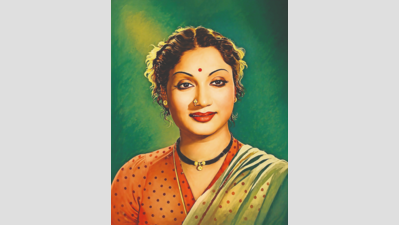
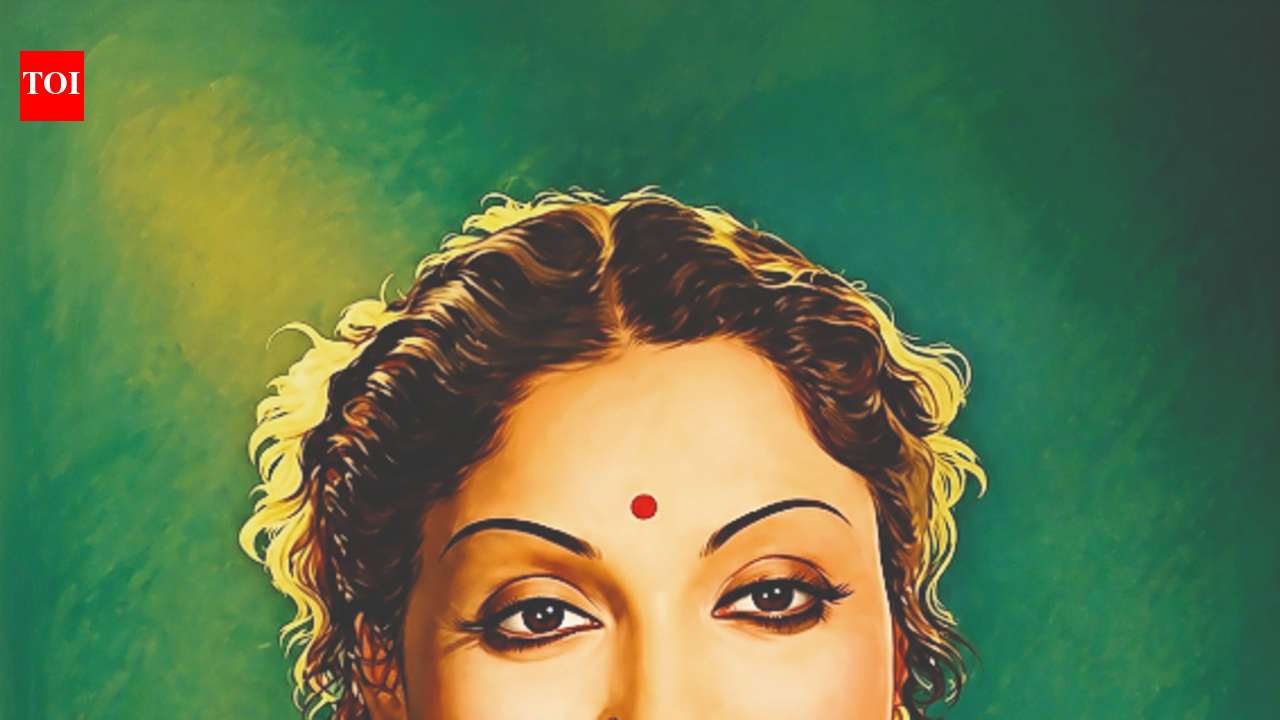
She didn’t conform. She didn’t soften her voice. She didn’t play the demure heroine. G Varalakshmi stormed through the frames of 1940s and 1950s Indian cinema like a whirlwind—unapologetic, sharp-tongued, and fiercely independent. Long before “strong female lead” became a buzzword, Varalakshmi was embodying it, not as a trope, but as a lived reality on and off screen.
Her performances didn’t just entertain—they unsettled. She played characters who argued back, who led, who refused to be rescued. In an industry dominated by passive heroines and patriarchal storytelling, she was the anomaly who became essential.
A Rebel from the Start: The Making of a Cinematic Icon
Born in 1925 in what is now Andhra Pradesh, G Varalakshmi’s entry into cinema wasn’t paved with privilege. She began acting in amateur stage plays during her school years, drawn not to glamour but to expression. At a time when actresses were often recruited from marginalized communities and stigmatized for their profession, Varalakshmi broke through with sheer force of will—and talent.
Her debut in Vara Vikrayam (1939), based on a play by Pingali Nagendra Rao, set the tone. The film tackled the dowry system, and Varalakshmi played a young woman who refuses to be sold into marriage. Even at 14, her screen presence was magnetic—direct, unflinching, emotionally raw.
This wasn’t accidental casting. Directors saw in her a rare ability to project defiance without losing empathy. She wasn’t angry for theatrics; she was angry because the world demanded it.
Redefining Femininity in Early Telugu Cinema
In the 1940s and 50s, the typical heroine in Telugu and Tamil films was pious, patient, and self-sacrificing. She endured suffering, forgave betrayal, and often died for love. Varalakshmi, however, consistently played women who questioned, resisted, and led.
In Malleswari (1938, stage; later adapted into film), she portrayed a woman asserting her right to choose her partner. In Bhakta Potana (1942), she played a courageous disciple challenging rigid orthodoxy. These weren’t supporting roles—they were narrative pivots.
What set Varalakshmi apart was her refusal to be typecast. She moved fluidly between mythological, social, and reformist themes. Whether playing a devotional figure or a modern-educated woman advocating for widow remarriage, she infused her roles with a sense of agency that was revolutionary for the time.
“She didn’t wait for permission to speak. She just spoke—and the audience listened.” — Film historian S. R. Praveen
The “Rowdy” Persona: Strength Misread as Defiance
The label “rowdy actress” wasn’t flattering when first applied. It was used dismissively by critics uncomfortable with her assertiveness. But Varalakshmi reclaimed it.
Her “rowdiness” wasn’t about aggression—it was about autonomy. She negotiated her own contracts. She insisted on script changes that gave her characters depth. She spoke openly about the exploitation of women in the industry, long before such conversations were safe.
In Kanyasulkam (1955), a landmark social satire based on the play by Gurajada Apparao, Varalakshmi played a cunning, educated widow who outwits a greedy matchmaker. The role was a masterclass in controlled intensity. She wasn’t loud; she was sharp. Not violent; but unyielding.
This performance alone dismantled the myth that strong women on screen had to be either villains or tragic figures. She proved they could be protagonists—intelligent, strategic, and morally complex.
Beyond Acting: Activism and Authorship
Varalakshmi’s influence extended beyond cinema. In the 1950s, she became a vocal advocate for actors’ rights, especially for women. She pushed for better pay, safer working conditions, and recognition of actresses as professionals rather than performers.
She also wrote—essays, critiques, and an autobiography titled Naa Pada Yatra (“My Stage Journey”). In it, she didn’t shy away from naming the gatekeepers who tried to silence her. She wrote about the pressure to marry early, the scrutiny of her personal life, and the double standards applied to male and female stars.
Her writing was unfiltered, much like her performances. She didn’t romanticize the industry. Instead, she exposed its contradictions—how it celebrated women on screen while marginalizing them off it.
Legacy in Modern Indian Cinema
Today’s bold heroines—whether it’s Tabu’s morally ambiguous turns, Nayanthara’s commanding screen presence, or Keerthy Suresh’s complex dramas—owe a quiet debt to G Varalakshmi.
She pioneered the archetype of the thinking woman—the one who doesn’t just react to the plot but drives it. Modern films like Karthikeya 2, Mahanati, and Soorarai Pottru echo her legacy in their nuanced portrayals of ambition, resistance, and resilience.
Even in contemporary Telugu cinema, where formulaic roles still dominate, Varalakshmi’s name surfaces in discussions about authenticity. Directors like Sekhar Kammula and Vetrimaaran cite her as an early influence—not just for her acting, but for her integrity.
The Unseen Challenges She Faced
Being a trailblazer came at a cost. Varalakshmi was often isolated. Male co-stars resented her outspokenness. Studios hesitated to cast her in romantic leads, fearing she’d “overshadow” the hero. Critics dismissed her as “too serious,” “not glamorous enough.”
She was also subjected to intense public scrutiny. Her decision to remain unmarried was weaponized against her. Rumors circulated. Her independence was framed as rebellion, not choice.
Yet she never diluted her persona for approval. When offered roles that required her to play the submissive wife, she declined. She preferred fewer films with meaning over more films with mediocrity.
Why Her Story Matters Now
In an era where “women-centric” films are celebrated but still struggle at the box office, Varalakshmi’s career is a blueprint. She proved that audiences would engage with complex female narratives—if they were told honestly.
Her journey also highlights a recurring problem: women who break norms are often labeled difficult, while men who do the same are hailed as visionary. The term “rowdy actress” was a backhanded compliment. Today, we can reframe it as one of the highest praises—an artist who refused to be tamed.

Streaming platforms now restore and feature her films, introducing her to younger audiences. Film schools analyze her performances in gender studies modules. Her autobiography is used in literature courses on feminist writing in India.
A Career Built on Conviction
G Varalakshmi didn’t just act—she stood for something. Her filmography, though not as extensive as some contemporaries, is denser in impact. Each role carried a message: about justice, dignity, and self-worth.
She retired from acting in the 1970s but remained active in cultural circles. Until her passing in 2017, she mentored young actors and spoke at film festivals. Her late-life interviews are striking—not for nostalgia, but for their clarity. She never regretted her choices.
“I wasn’t trying to be different. I was just being myself. If that disturbed people, that’s their problem, not mine.” — G Varalakshmi, in a 2004 interview
Stealing the Show—Every Time
G Varalakshmi didn’t steal the show through grand gestures. She did it by refusing to disappear. In a cinematic landscape that wanted women to be seen and not heard, she was seen because she was heard.
Her legacy isn’t measured in awards—though she received several, including the Raghupathi Venkaiah Award—but in the space she carved for those who came after. She proved that a woman could be intelligent, assertive, and magnetic without conforming to outdated ideals.
Today, when we celebrate actresses who “break the mold,” we’re echoing what Varalakshmi did instinctively. She didn’t wait for permission. She didn’t seek validation. She simply showed up—fully present, fully herself—and changed Indian cinema in the process.
For filmmakers, writers, and performers looking to create authentic, powerful female narratives, the lesson is clear: study Varalakshmi. Not just her films, but her philosophy. Strength isn’t always loud. Sometimes, it’s the quiet certainty of a woman who knows her worth—and refuses to negotiate it.
FAQ
Who was G Varalakshmi? G Varalakshmi was a pioneering Telugu actress, writer, and activist known for her strong, unconventional roles in 1940s–60s Indian cinema.
Why was she called the “rowdy actress”? The term was initially used critically to describe her assertive personality and refusal to conform to traditional expectations of female behavior in the film industry.
What are some of her most famous films? Notable films include Kanyasulkam (1955), Bhakta Potana (1942), and Malleswari (stage and film adaptations).
Did G Varalakshmi win any awards? Yes, she received the Raghupathi Venkaiah Award and several state honors for her contributions to Telugu cinema.
Was she involved in social causes? Yes, she advocated for women’s rights, actors’ welfare, and educational reform, often using her public platform to speak on social issues.
Did she write books? Yes, her autobiography Naa Pada Yatra is a significant work documenting her life and career in theater and film.
How is G Varalakshmi remembered today? She’s celebrated as a feminist icon and trailblazer in Indian cinema, with her work studied in film and gender studies programs.
FAQ
What should you look for in G Varalakshmi: The Rowdy Actress Who Defied Convention and Stole the Sho? Focus on relevance, practical value, and how well the solution matches real user intent.
Is G Varalakshmi: The Rowdy Actress Who Defied Convention and Stole the Sho suitable for beginners? That depends on the workflow, but a clear step-by-step approach usually makes it easier to start.
How do you compare options around G Varalakshmi: The Rowdy Actress Who Defied Convention and Stole the Sho? Compare features, trust signals, limitations, pricing, and ease of implementation.
What mistakes should you avoid? Avoid generic choices, weak validation, and decisions based only on marketing claims.
What is the next best step? Shortlist the most relevant options, validate them quickly, and refine from real-world results.